
Chemical pesticides might kill bugs, but they also kill the life in your soil. The good news? You can protect your plants without poisoning the ground. These natural methods work — and they won’t compromise long-term soil health.
1. Invite the Good Bugs
Not all bugs are bad. Some are your best defense.
Beneficial Insects to Encourage:
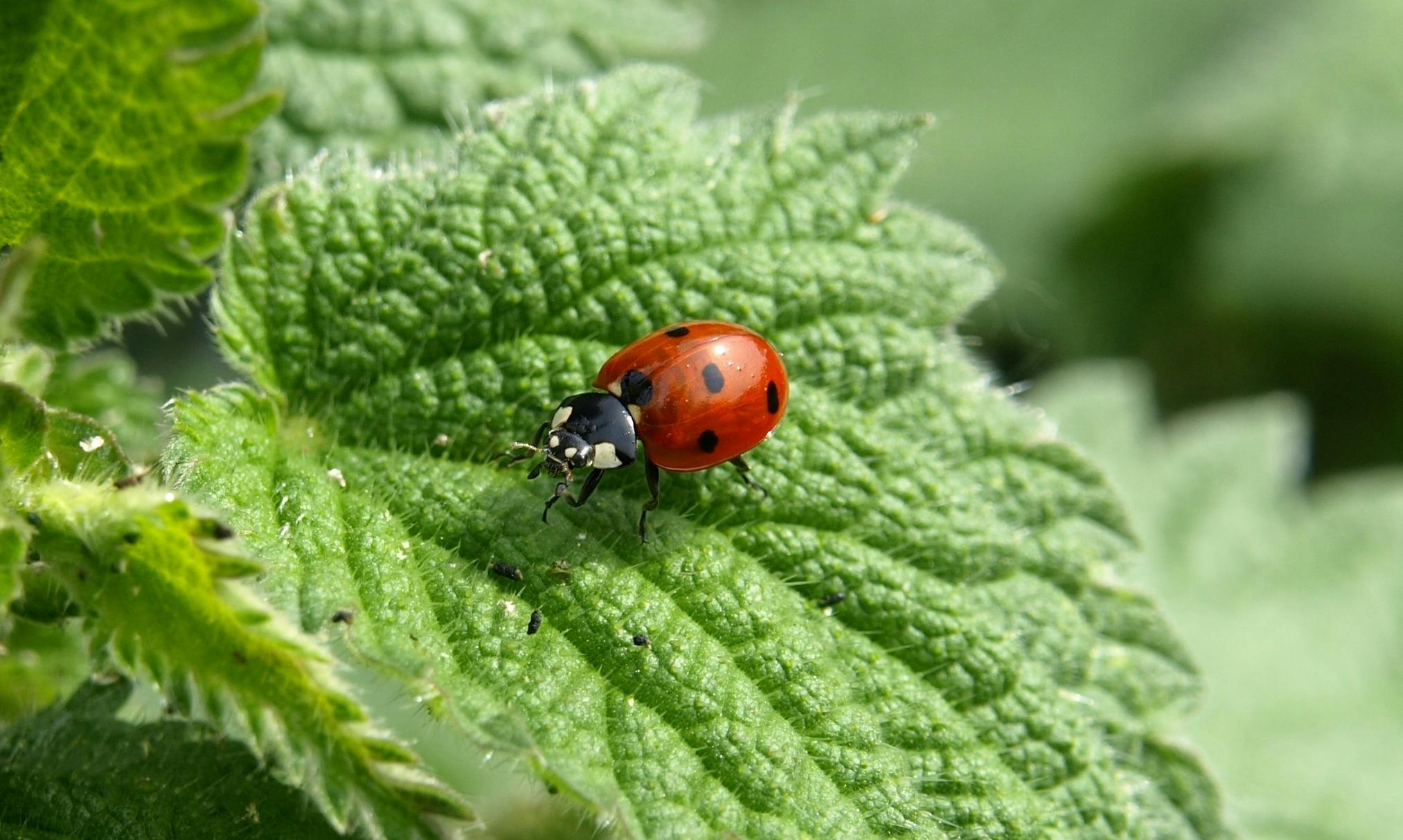
- Ladybugs: Devour aphids and mites
- Lacewings: Feed on aphids, whiteflies, thrips
- Parasitic Wasps: Attack caterpillars and hornworms
- Ground Beetles: Eat slugs, root maggots, cutworms
How to attract them:
- Grow flowers like yarrow, dill, fennel, alyssum, and marigold
- Avoid broad-spectrum pesticides — even organic ones
- Provide water and undisturbed areas for habitat
2. Use Companion Planting for Defense
Some plants repel pests naturally.
Examples:
- Basil near tomatoes → repels hornworms
- Marigolds → deter nematodes and beetles
- Nasturtiums → act as a trap crop for aphids
- Onions + carrots → each repels the other’s main pests
3. Spray Smarter with Natural Solutions
If you must spray, go non-toxic.
Effective DIY Sprays:
- Neem Oil (kills soft-bodied insects without harming soil)
- Garlic + chili spray (repels bugs, not bees)
- Soap spray (kills aphids and mites — mix 1 tsp mild soap per quart water)
Pro tip: Always spray in the early morning or evening to avoid harming pollinators.
4. Mulch and Cover the Soil
Bare soil is an open invitation for pests and diseases.
Use:
- Straw
- Wood chips
- Compost mulch
This protects roots, discourages weed habitat, and keeps insect larvae out of sight and out of mind.
5. Hand Pick and Monitor
Not everything needs to be automated. In small gardens, observation and action go a long way.
- Squash bugs? Crush eggs under leaves.
- Hornworms? Pick them off and feed them to chickens.
- Slugs? Trap with beer cups or go out at night with a flashlight.
6. Use Physical Barriers
- Floating row covers: Protect from flea beetles and cabbage worms
- Collars around stems: Stop cutworms and borers
- Netting: Keeps birds and bigger pests off fruiting plants
Final Rule: Soil First
Strong, living soil grows strong, pest-resistant plants. When you prioritize soil health, pests become a manageable part of the cycle — not a crisis.