
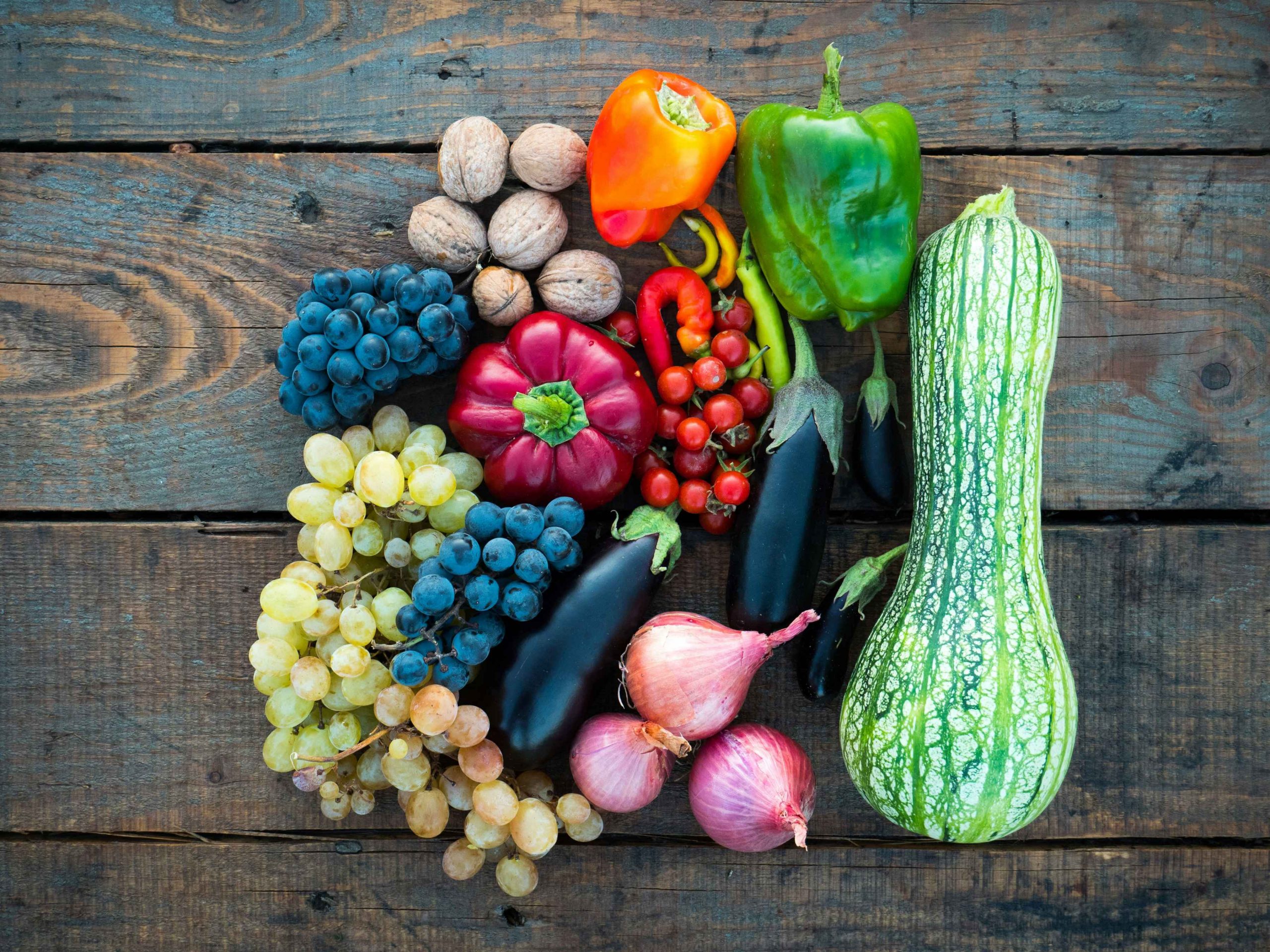
Want fresh greens in January and tomatoes into fall? Year-round gardening isn’t just for pros — with the right timing and setup, you can stretch your harvest across all four seasons.
The 4 Keys to Year-Round Gardening
- Succession Planting
- Season Extension
- Crop Selection
- Smart Storage
1. Succession Planting: Keep It Moving
Plant in waves. As soon as one crop finishes, drop in the next.
Example succession schedule:
- Early spring: Radishes → After harvest: Bush beans
- Spring lettuce → After harvest: Fall carrots
- Peas in March → Pull by June → Cucumbers in July
Keep seeds ready and beds prepped — never leave soil idle.
Season Extension Tools:
| Tool | What It Does |
|---|---|
| Row covers | Add 3–8°F warmth, protect from pests |
| Cold frames | Trap heat for early or late growing |
| Low tunnels | Like mini-greenhouses for beds |
| Mulch | Insulates soil and retains moisture |
| Greenhouses | Allow year-round production if heated |
Use these in layers — cold frames inside tunnels, mulch under row covers, etc.
3. Choose Crops by Season
Cool Weather Crops (early spring & fall):
- Lettuce, spinach, peas, kale, broccoli, radishes, beets
Heat-Loving Crops (summer):
- Tomatoes, peppers, squash, melons, cucumbers, corn
Winter Survivors (with protection):
- Kale, mache, spinach, leeks, carrots, parsnips
4. Harvest Doesn’t End in the Garden
Plan for long-term food by growing crops meant to store.
Storage crops:
- Potatoes, onions, garlic, squash, carrots, turnips
Preserving options:
- Freeze kale and herbs
- Dehydrate tomatoes
- Ferment cabbage into sauerkraut
- Can beans, fruit, and soups
Quick Tips
- Keep a planting calendar.
- Use quick-maturing varieties (like 55-day carrots).
- Start fall crops in July while summer crops are still going.
- Plant garlic in October for a late spring harvest.
Year-round gardening is all about timing and tools. Get the schedule right, protect your beds, and you can grow something edible almost every month of the year — no matter your zone.