
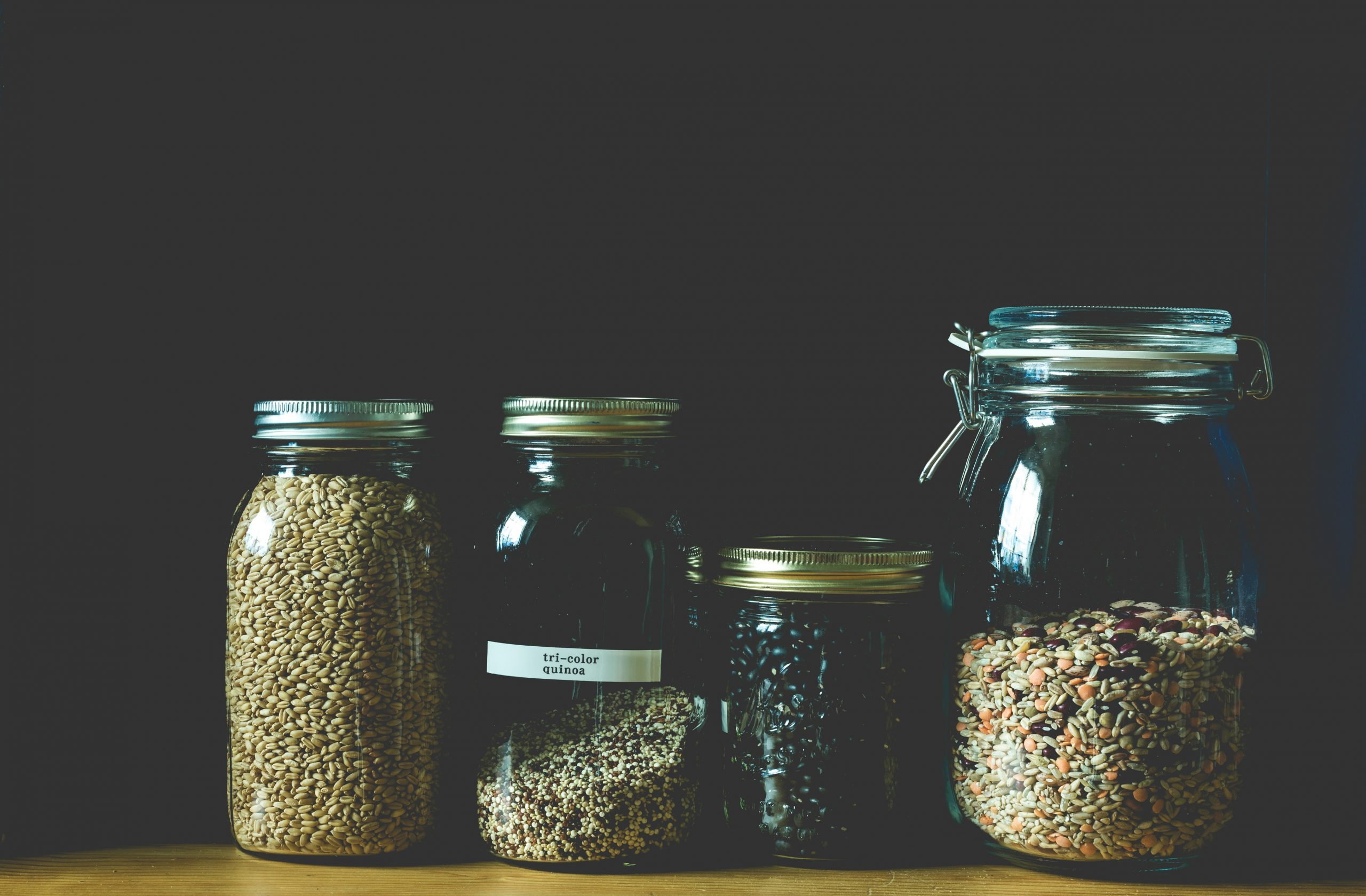
Seed saving is independence. It cuts costs, builds climate-adapted crops, and keeps you from relying on store-bought seed packets every season. It’s easier than you think — if you follow a few basic rules.
Why Save Seeds?
- Self-reliance: You don’t need to buy new seeds every year.
- Stronger plants: Saved seeds adapt to your soil and climate over time.
- Cost-effective: Seeds saved = money saved.
- Preserves heirlooms: Keeps rare varieties alive.
Best Plants for Beginner Seed Saving
| Crop | Why It’s Easy | Notes |
|---|---|---|
| Tomatoes | Self-pollinating, easy to ferment | Use heirlooms for true results |
| Peas & Beans | Dry seed pods, easy to store | Harvest when pods are fully dry |
| Lettuce | Self-pollinating, produces lots of seed | Let it bolt and flower |
| Peppers | Seeds mature inside ripe fruits | Choose open-pollinated types |
| Cilantro, Dill, Basil | Flower and seed in same season | Let them go to seed naturally |
Avoid hybrids (labeled F1) — they don’t grow true to type.
Basic Steps to Save Seeds
1. Choose the Right Plants
- Only save seeds from healthy, productive, open-pollinated varieties.
- Don’t use diseased or weak plants.
2. Harvest at the Right Time
- For wet seeds (tomatoes, cucumbers): Fully ripe
- For dry seeds (beans, lettuce): Brown, dry, and rattling
3. Process the Seeds
- Wet seeds: Scoop out, ferment in water 2–3 days, rinse, dry thoroughly
- Dry seeds: Shell or rub from pods/flowers, screen out debris
4. Dry Completely
- Lay seeds on paper towels, trays, or screens in a cool, dry place for 1–2 weeks.
- Seeds should snap or shatter when dry — not bend.
5. Store Right
- Use glass jars, envelopes, or paper bags.
- Label everything: crop, variety, date.
- Store in a cool, dark, dry place — a fridge or sealed bin in the basement works great.
Pro Tips
- Isolate crops like squash and corn to prevent cross-pollination.
- Rotate seed stock every 1–3 years.
- Share with friends and trade with local growers.
Saving seeds isn’t just about frugality — it’s about food security. Start small, get confident, and build your own living seed library.