
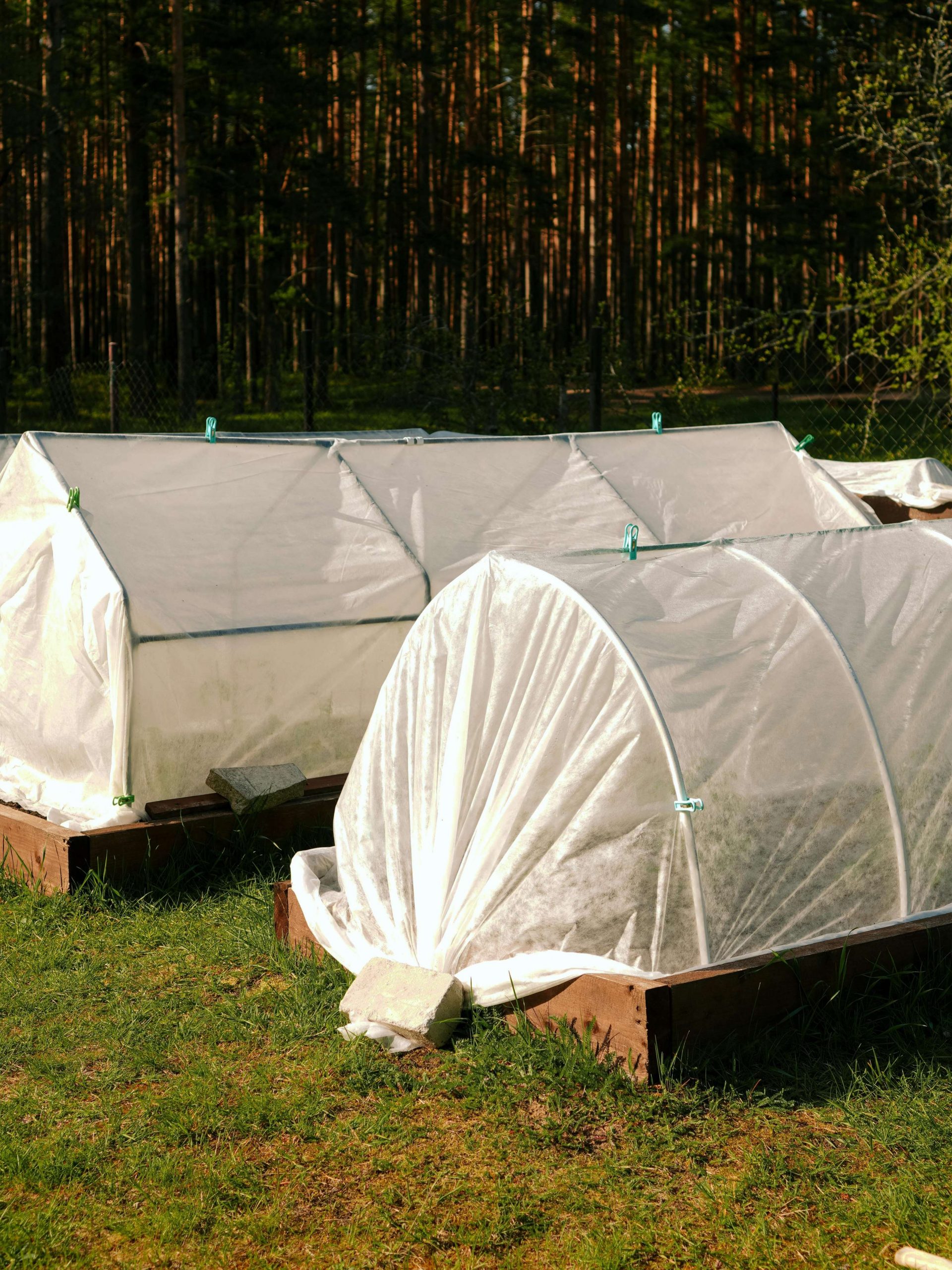
You don’t need thousands of dollars or a commercial setup to grow year-round. With smart design and low-cost materials, you can build a greenhouse that boosts yields, extends seasons, and pays for itself fast.
Step 1: Choose Your Greenhouse Type
| Type | Pros | Cons |
|---|---|---|
| Hoop House (PVC or metal) | Cheap, easy to build | Less durable long-term |
| Cold Frame | Great for starts and winter greens | Limited height and space |
| Lean-To (attached to house or shed) | Uses existing wall heat | May have limited light |
| Mini Greenhouse (shelves with plastic cover) | Great for patios | Small capacity |
Step 2: Select Materials That Save Money (and Last)
- Framing: PVC pipe, EMT conduit, or reclaimed lumber
- Covering: 6 mil greenhouse-grade plastic (avoid standard plastic — it degrades fast)
- Flooring: Mulch, gravel, or recycled bricks
- Doors/Windows: Salvaged windows, DIY hinges, old cabinet doors
Pro tip: Buy end-of-season materials or look for construction leftovers locally.
Step 3: Maximize Heat Without Electricity
- Thermal mass: Use black barrels of water to collect heat during the day and release it at night
- Insulate north side: Reflective insulation or straw bales
- Double-layer plastic: Creates an insulating air gap
Step 4: Ventilation = Life
Poor airflow leads to mold, mildew, and overheating. Always include:
- Manual vents or windows
- Screened doors (to keep pests out)
- If you have power: small fans on timers
Step 5: What to Grow in Your Budget Greenhouse
- Early Spring: Lettuce, spinach, radishes, brassicas
- Summer Boost: Peppers, tomatoes, cucumbers (especially in cooler zones)
- Fall to Winter: Kale, carrots, leeks, garlic
- Seed Starts: Tomatoes, onions, herbs, flowers
Bonus: Tips for Extra Productivity
- Use vertical shelves for seed trays
- Add rain barrels for easy watering
- Keep a thermometer to track inside temps
You don’t need fancy gear — just good airflow, solid framing, and a little know-how. Build once, use forever. Your harvest will thank you.