
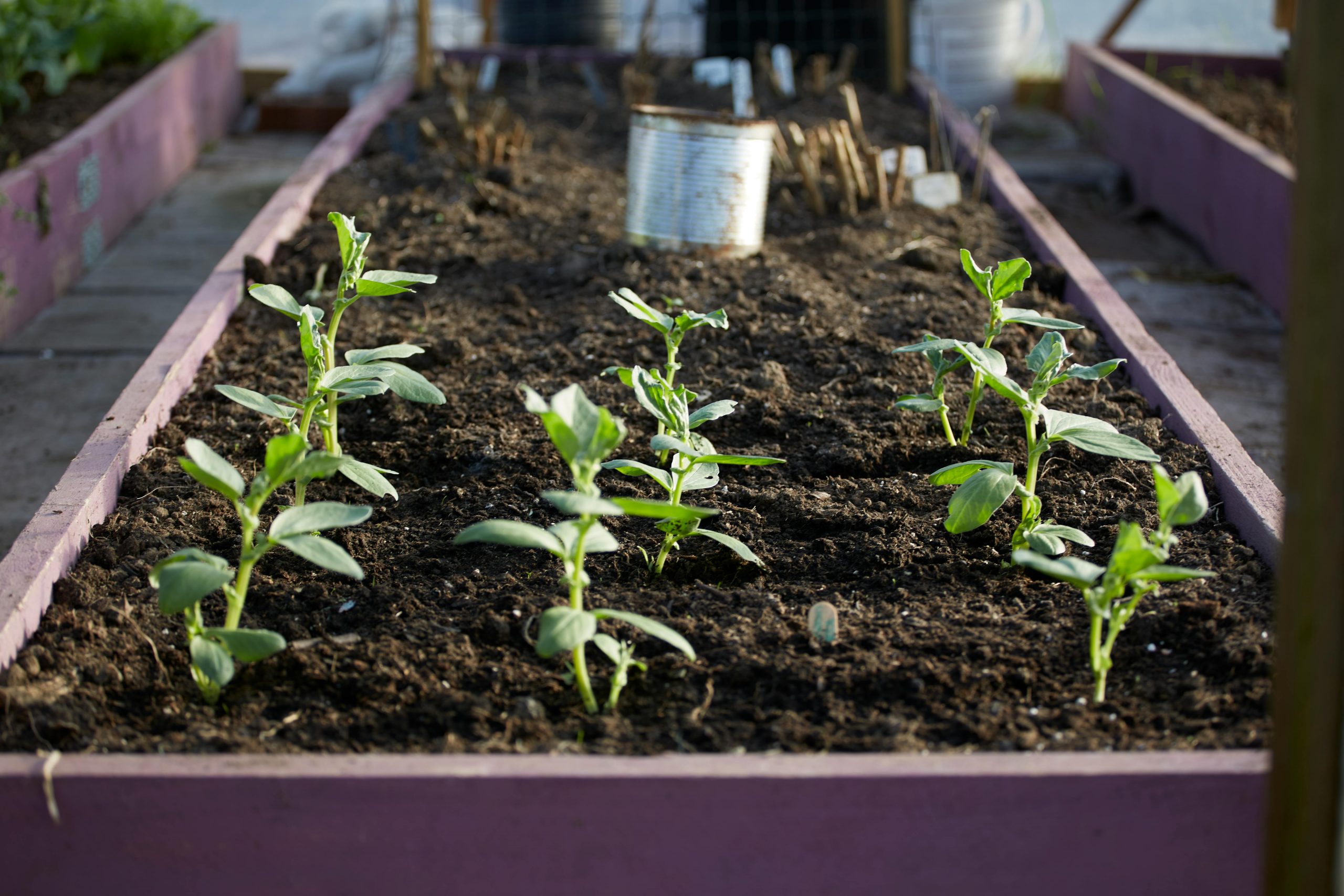
Limited space doesn’t mean limited harvest. With smart design and the right tools, you can grow more food per square foot than most full-size gardens. Here’s how.
Why Focus on Vertical and Raised Bed Gardening?
- Efficient use of space
- Better drainage and soil control
- Easier to manage and harvest
- Increased air circulation = fewer diseases
- Can be done in yards, patios, balconies, or rooftops
Part 1: Raised Bed Strategy
Design Tips
- Depth matters: Minimum 10–12 inches deep
- Size: 3–4 ft wide (so you can reach across), length as needed
- Material: Wood (cedar is ideal), cinder blocks, metal troughs
- Location: Full sun, near water access
Soil Mix for Productivity
- 50% compost
- 30% topsoil
- 20% aeration (perlite, vermiculite, or coarse sand)
Top it off with mulch to retain moisture and reduce weeds.
Planting Techniques
- Square Foot Gardening: Divide beds into 1’ x 1’ squares and plant densely by crop type
- Interplanting: Combine fast growers (like radishes) with slower ones (like carrots)
- Succession planting: Replant as soon as one crop finishes
Part 2: Vertical Gardening Essentials
What to Grow Vertically
| Crop | Support Needed |
|---|---|
| Tomatoes | Trellis, cages, stakes |
| Cucumbers | Netting, A-frame trellis |
| Pole beans | Teepee or string trellis |
| Peas | Fencing or mesh |
| Squash/pumpkins | Heavy-duty trellis, slings for fruit |
| Melons | Same as squash – sling support for weight |
Vertical Structures You Can DIY
- A-frame trellis (wood + chicken wire)
- Cattle panel arches
- Hanging baskets and stacked planters
- Wall-mounted shelves or grow towers
Tips for Maximum Yield
- Feed heavily — small spaces mean faster nutrient depletion
- Harvest often — promotes more production
- Prune — reduce overcrowding, especially in tomatoes and squash
- Rotate crops each season to prevent soil depletion and disease
Bonus: Add Layers
Use underplanting (e.g., grow lettuce under tall tomatoes) and hanging planters to squeeze in extra production.
Don’t let space hold you back. A 4×8 raised bed and a few trellises can feed a family more than you’d expect — it just takes strategy.