
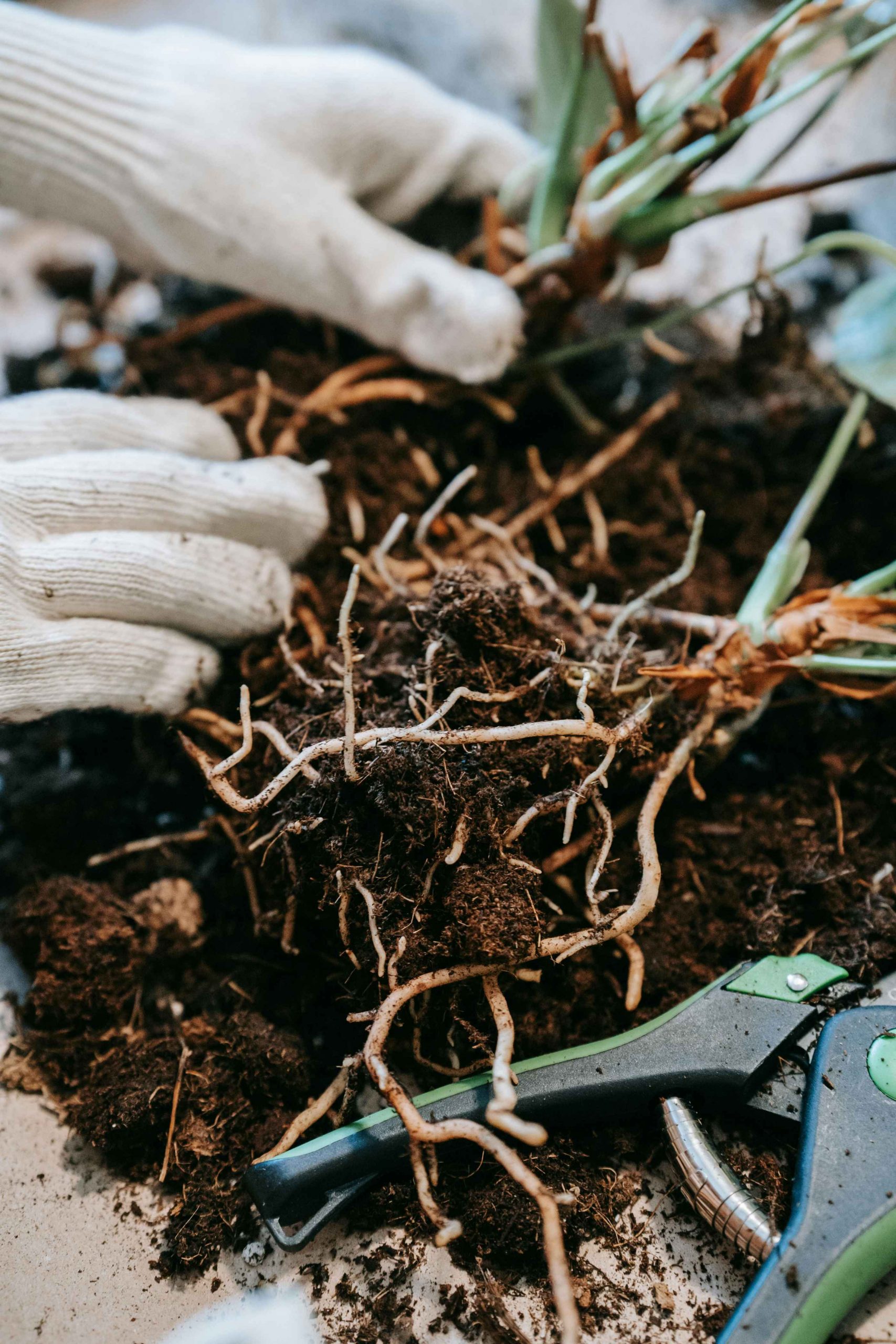
Compost is black gold. If you want thriving plants and healthy soil without buying fertilizer, you need a steady supply. Whether you have a backyard or a homestead, a good compost system saves money and feeds your garden for life.
Why Compost?
- Builds soil structure
- Boosts microbial life
- Adds nutrients organically
- Cuts down food and yard waste
- Saves you money
Compost System Types
1. Simple Static Pile
- Cost: Free
- How it works: Pile up greens (wet stuff) and browns (dry stuff) and let time do the work
- Best for: Casual composters, low-maintenance setups
- Downside: Slower breakdown, may attract pests
2. 3-Bin System (Pro Setup)
- Cost: $100–300 (DIY from pallets or boards)
- Structure:
- Bin 1: Fresh scraps
- Bin 2: Active compost
- Bin 3: Finished compost
- Best for: Serious gardeners, year-round composters
- Benefit: Organized and scalable
3. Tumbler Bin
- Cost: $75–150
- How it works: Add scraps, rotate daily or every few days
- Best for: Small yards, urban gardens
- Downside: Limited volume
4. Worm Bin (Vermicompost)
- Cost: $30–80 to start
- Best for: Indoor composting, small spaces
- Produces: Super-rich worm castings (great for seedlings)
What to Compost
Greens (Nitrogen):
- Veggie scraps, fruit peels, coffee grounds, grass clippings
Browns (Carbon):
- Dry leaves, shredded paper, cardboard, straw
Avoid:
- Meat, dairy, oily foods, diseased plants, pet waste
Tips for Great Compost
- Aim for a 2:1 ratio of browns to greens
- Keep it moist like a wrung-out sponge
- Turn it weekly (unless using a static pile)
- Cover exposed piles to hold moisture and heat
- Chop scraps small for faster breakdown
Troubleshooting:
| Problem | Cause | Fix |
|---|---|---|
| Smells bad | Too wet, too many greens | Add browns, turn pile |
| Too dry | Not enough moisture | Water lightly |
| Not breaking down | Too dry, poor balance | Adjust greens/browns, turn more |
If you grow food, you should be making compost. Pick a system that fits your space and effort level — then feed your soil, not the landfill.