
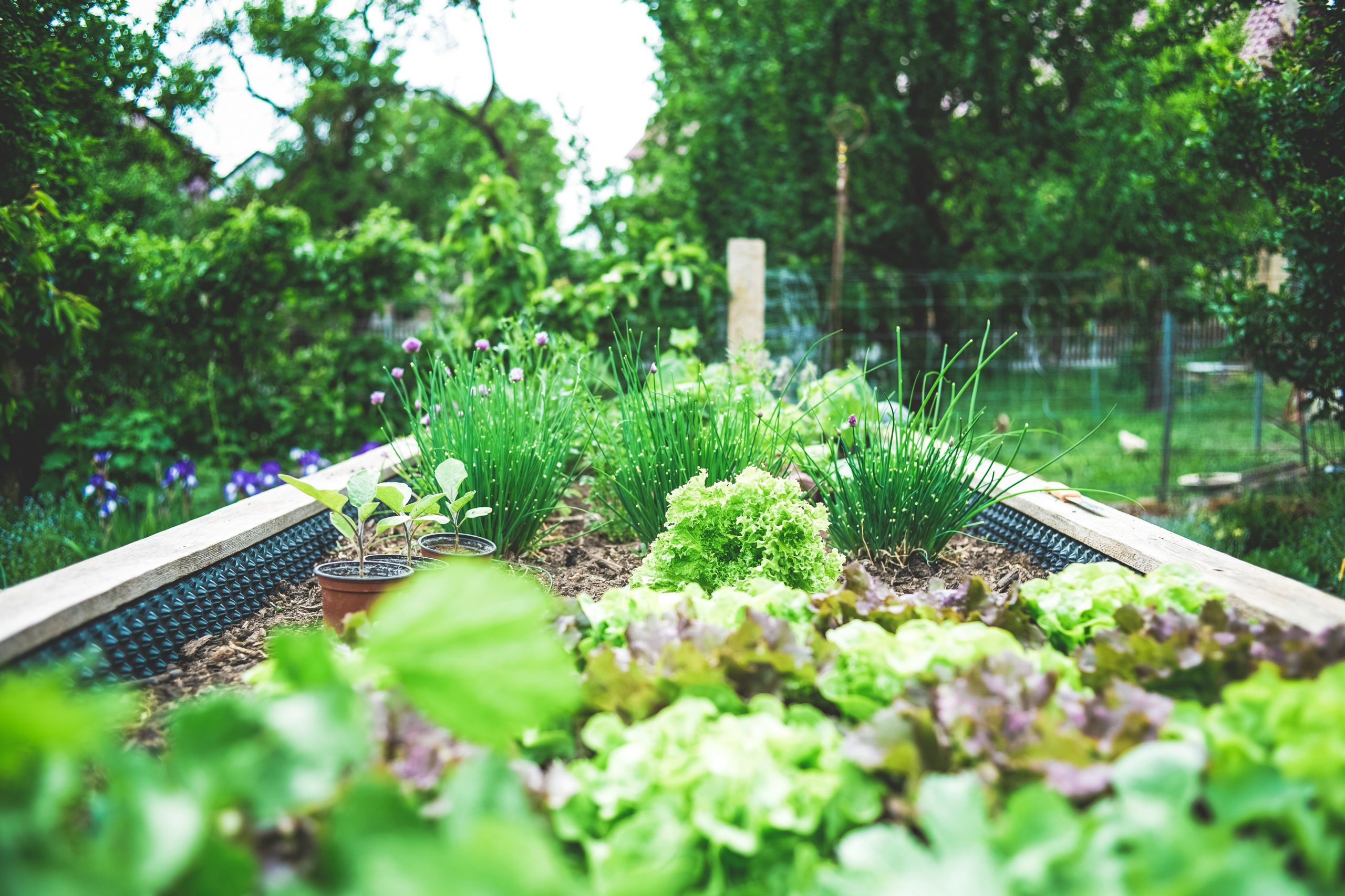
Companion planting isn’t folklore — when done right, it improves yield, deters pests, and supports soil health. But not all plant combos work. This guide cuts the fluff and gives you pairings that actually do what they claim.
What Is Companion Planting?
It’s the strategic placement of plants to help each other grow. Some attract pollinators, others repel pests, and some improve nutrients in the soil.
| Plant | Companions | Why It Works |
|---|---|---|
| Tomatoes | Basil, marigolds, carrots | Basil repels hornworms; marigolds deter nematodes; carrots break up soil |
| Cucumbers | Nasturtiums, radishes, sunflowers | Nasturtiums trap aphids; radishes deter beetles; sunflowers act as natural trellises |
| Carrots | Onions, leeks | Onion family repels carrot flies |
| Beans | Corn, squash | Classic “Three Sisters” — beans fix nitrogen, corn supports, squash shades weeds |
| Lettuce | Radishes, chives | Radishes grow fast and loosen soil; chives repel aphids |
| Broccoli | Dill, chamomile, onions | Dill attracts beneficial wasps; onions deter cabbage worms |
What to Avoid
- Beans + Onions/Garlic: They stunt each other’s growth.
- Tomatoes + Corn: Both attract the same pests (especially corn earworm).
- Potatoes + Tomatoes: Both are nightshades and share diseases.
Extra Benefits of Companion Planting
- Less Weeding: Ground covers like squash suppress weeds.
- More Pollinators: Flowers like borage and calendula bring bees.
- Natural Pest Control: Trap crops like nasturtiums take the hit so your main crops don’t.
Tips to Get It Right
- Don’t overcrowd — air circulation still matters.
- Rotate crops — don’t plant the same family in the same spot every year.
- Think vertically — use tall plants to shade tender ones from heat.
This is real gardening strategy, not superstition. Use what works, skip what doesn’t, and build a healthier, more productive garden with less reliance on chemicals.